
Apple TV works well out of the box, but tvOS has accumulated enough features over the years that a default setup is rarely the best. A few small changes can remove friction, reduce interruptions, and make the entire experience faster and more predictable.
These are practical changes that improve day-to-day usability without installing apps or changing the way you view content.
1. Turn off full-screen profile picker
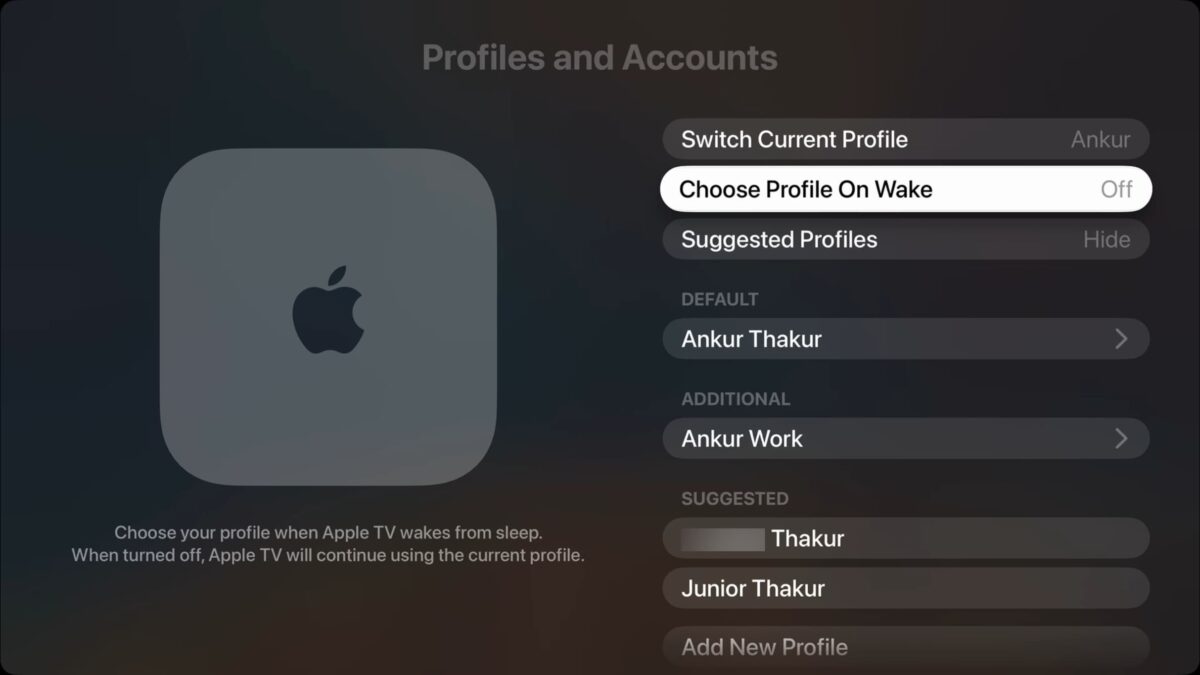
Recent tvOS versions show a profile selector every time the Apple TV is activated. This makes sense in shared homes, but it slows things down if you usually stick to the same profile. You can disable it from here Settings > Profile & Accounts By turning off Choose profile on wake. Profiles remain available, just not forced at startup.
2. Remap the TV button to go home
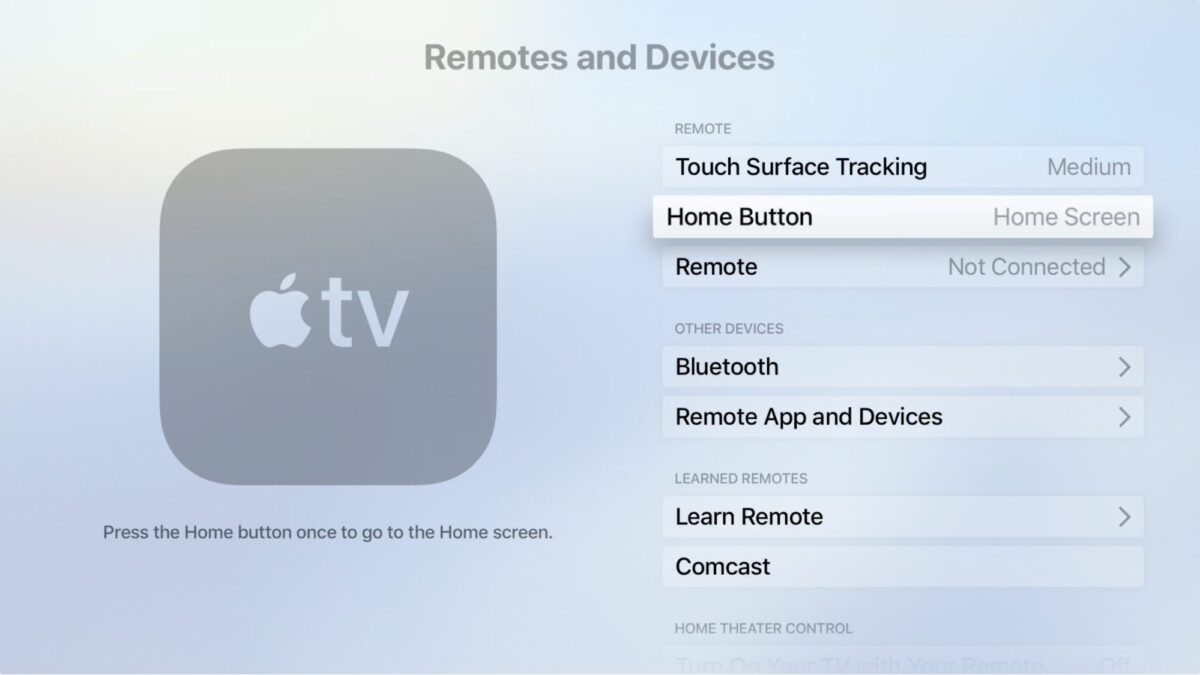
By default, pressing the TV button opens the TV app instead of the Home screen. Holding down the button goes home, which feels backwards. go to Settings > Remotes & Devices > TV Button And switch the behavior on the home screen. A press now does what most people expect.
3. Disable Auto-Playing Preview
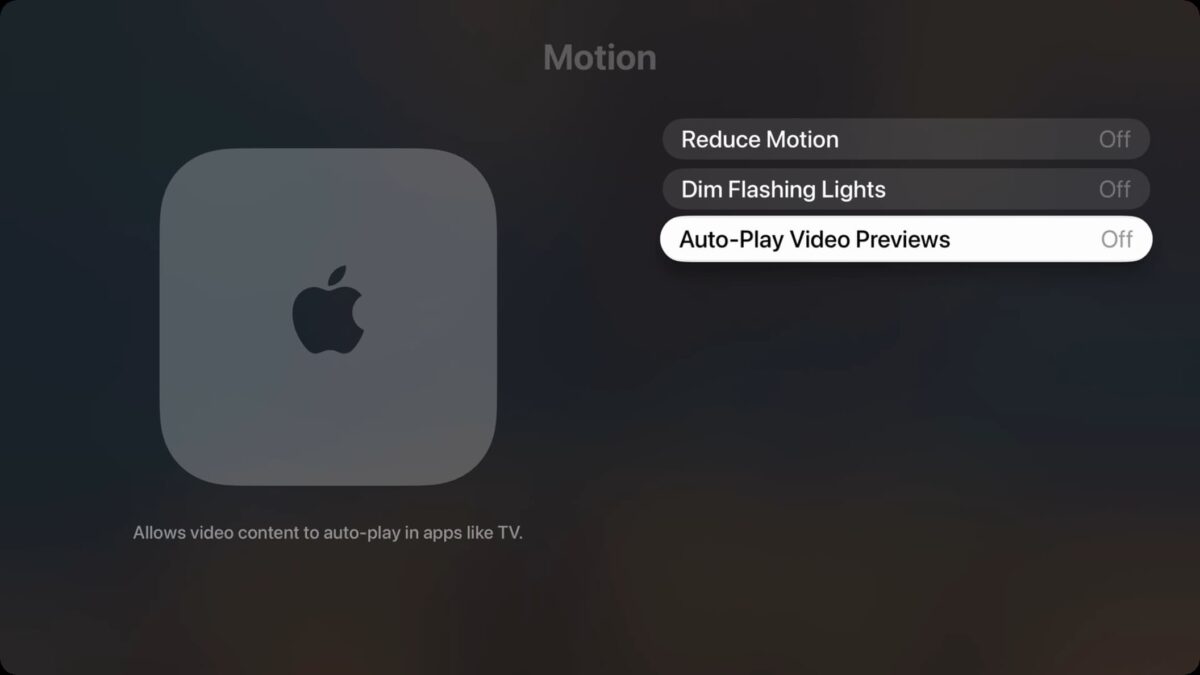
Auto-playing previews are distracting and noisy. You can disable them system-wide for the TV app Settings > Accessibility > Motion > Auto-play video previewOther streaming apps require changes on their websites, but it’s worth doing once to prevent persistent background playback.
4. Make the remote easy to use
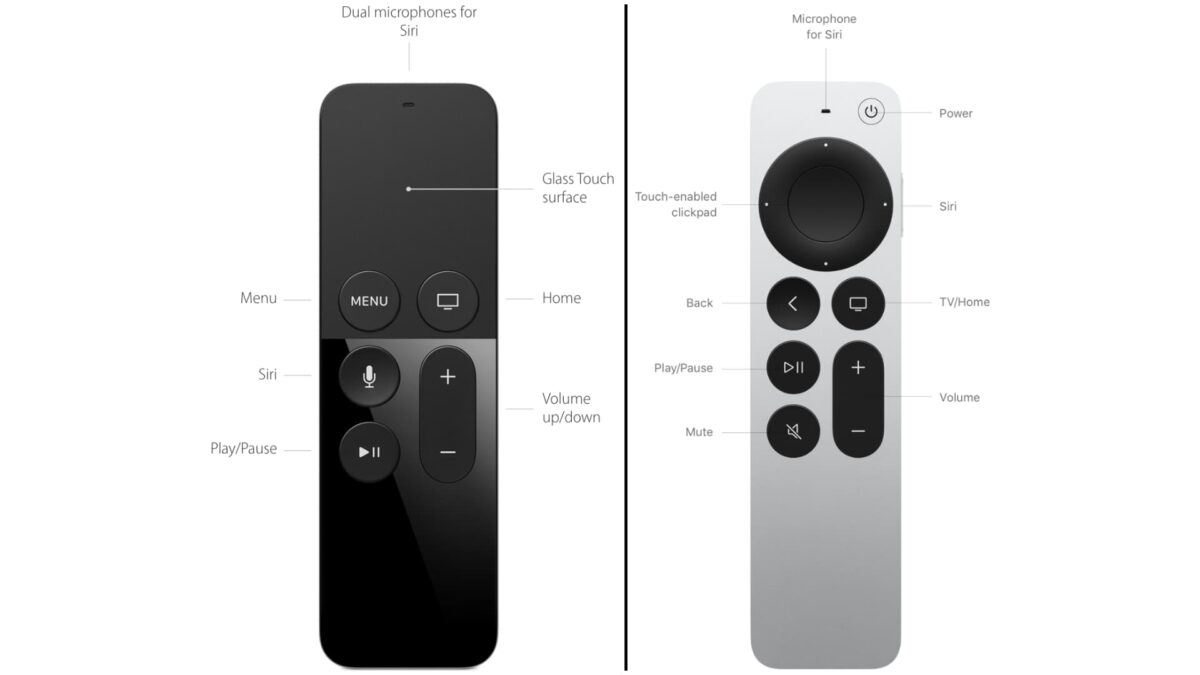
The clickpad supports swipe gestures, which many people accidentally trigger. If kids or guests have difficulty navigation, switch it to button-only mode. go to Settings > Remotes & Devices > Clickpad And just click select.
5. Use your iPhone or Apple Watch as a remote
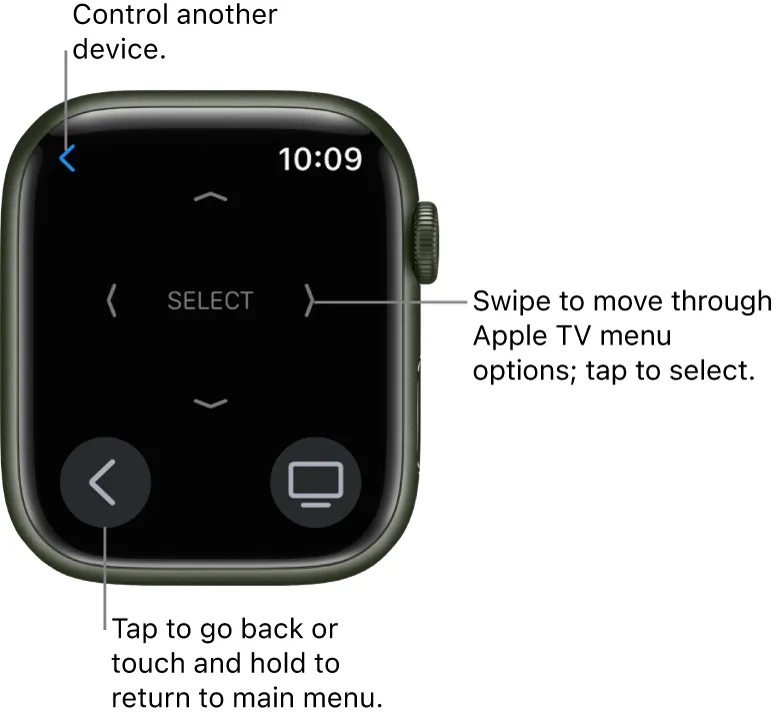
If the physical remote goes missing, you don’t need to panic. iPhones and Apple Watches can completely control Apple TV. On iPhone, add the Apple TV remote to Control Center. On Apple Watch, open the built-in Remote app. Both work as long as the devices are on the same network.
6. Set HomePods or AirPlay speakers as default audio
You can permanently route Apple TV audio to HomePods or compatible AirPlay speakers. go to Settings > Video & Audio > Audio Output And select your speaker as default. This saves you having to switch outputs every time you watch something.

7. Pair AirPods for private listening
AirPods integrate tightly with tvOS. added once Settings > Remotes & Devices > BluetoothThey will automatically appear as an audio option when you plug them in. This is especially useful for late night viewing.

8. Force quit misbehaving apps
If a streaming app freezes or loses audio sync, force-quitting usually fixes it. Press the TV button twice, swipe up on an app, and swipe up to close it. Relaunching often resolves playback issues immediately.

9. Slow things down to speed things up
On older Apple TV models, animations may feel sluggish. Enable Reduce Motion Below Settings > Accessibility > Motion To make transitions faster and the interface more responsive.

10. Disable unnecessary notifications
Apple TV can show FaceTime calls, home alerts, and fitness notifications while you’re watching something Settings > Notifications And turn off anything you don’t want to see on your TV screen. You can also enable Do Not Disturb from the Control Center.

None of these changes change what the Apple TV can do, but together they remove small irritations that add up over time, especially if you use the device every day.


