Many performance complaints around Windows 11 aren’t caused by weak hardware. In many cases, the operating system is actually being used well below its potential. Over the past few update cycles, Microsoft has added a series of productivity, security, and automation features that remain unseen on most systems.
They are not “power user” extras. They are built-in shortcuts and settings that reduce friction and speed up your work: Less clicking, less window juggling, less password prompts, and less distractions.
Below is a practical list of 31 Windows 11 features and changes that may be easily overlooked, along with the exact locations to find them.
1. Move the Start button back to the left
Right-click on the taskbar > taskbar settings > taskbar behavior > taskbar alignment > left. 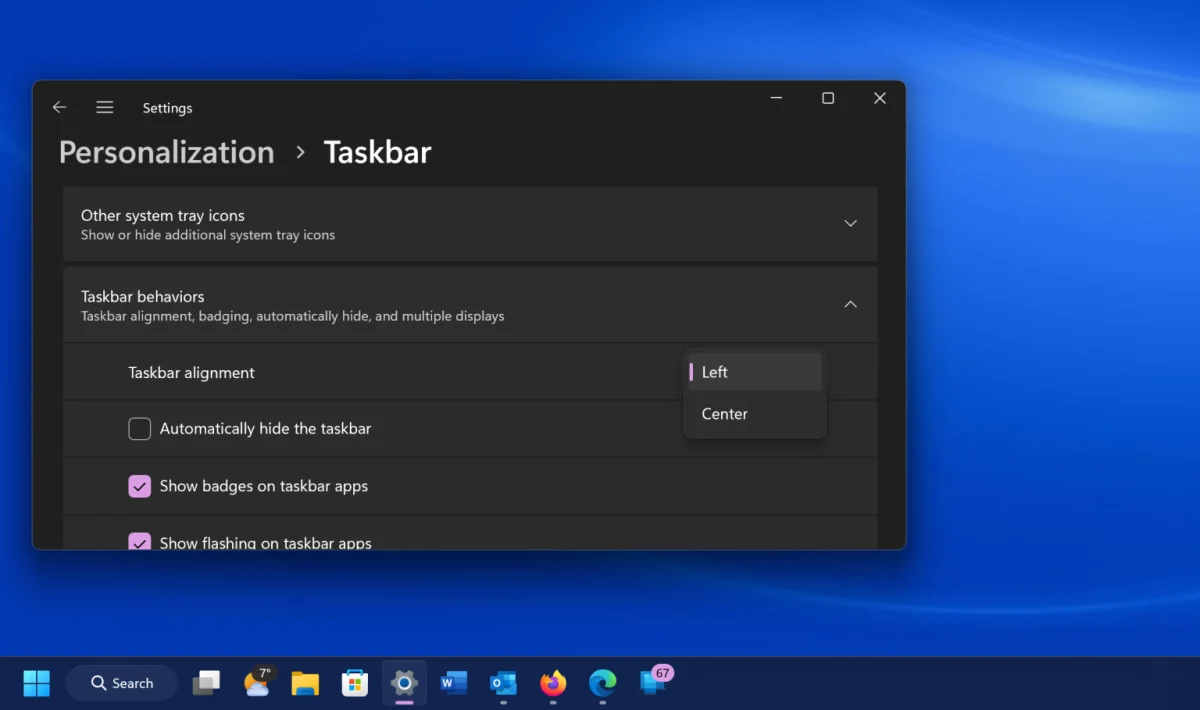
(Credit: Microsoft/PCMag)
2. Get AI assistance with Copilot
Open Copilot from the taskbar icon (if present) or use Win + C On systems where the shortcut is enabled. CoPilot capabilities vary by region, account, and device class (CoPilot+ vs. Standard).

(Credit: Microsoft/PCMag)
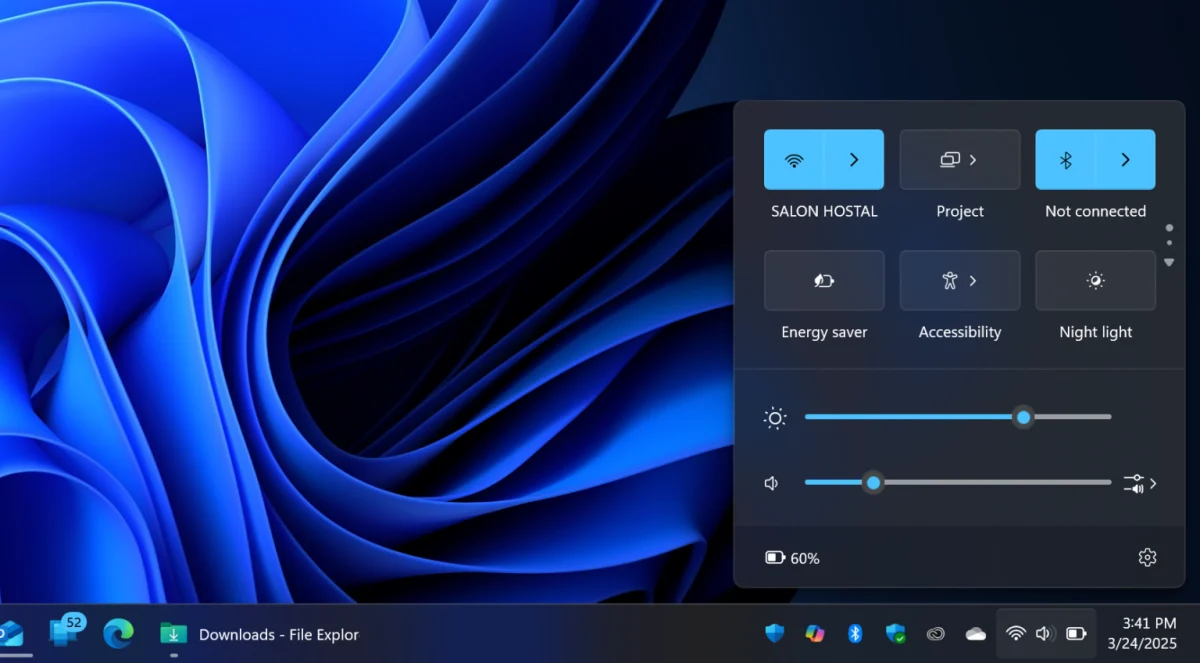
3. Customize the Quick Settings Panel
Click the Wi-Fi/Speakers/Battery area on the taskbar to open it. quick settings. In the new build, you can rearrange the tiles by dragging them, and the panel scrolls to show more options. Adding/removing tiles may be restricted depending on construction.
(Credit: Microsoft/PCMag)
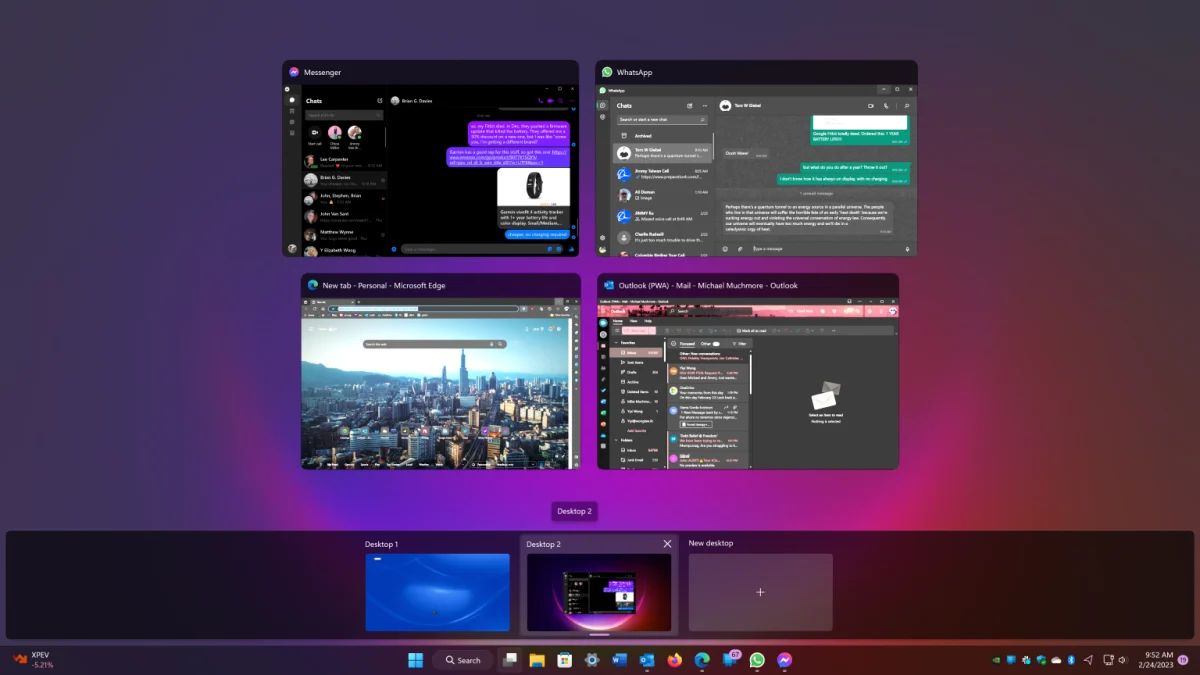
4. Create and manage multiple desktops
hover over action scene Click the icon on the taskbar to view desktops, or click them to manage them. Use new desktop To make more. Drag app thumbnails between desktops in Task View.
(Credit: Microsoft/PCMag)
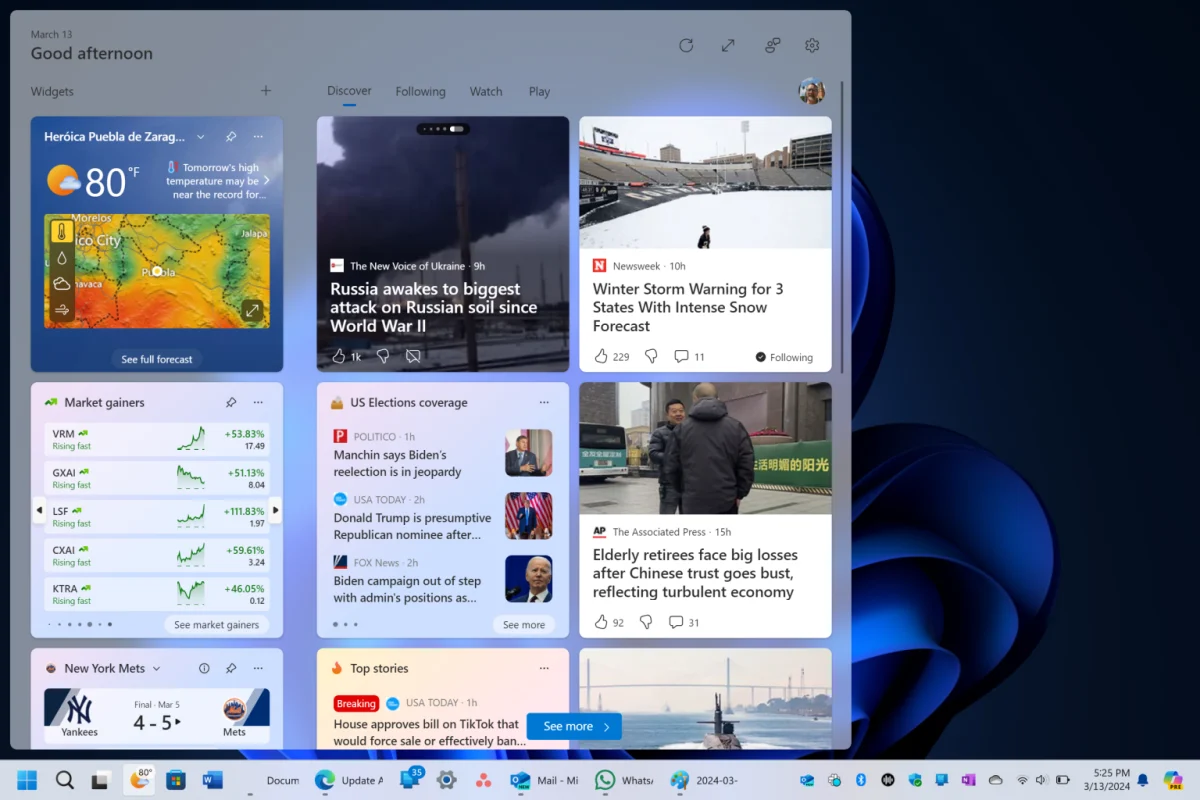
5. See information at a glance with widgets
open widget From its taskbar icon. Pin the widgets you actually use and adjust feed preferences. Widget and feed behavior depend on region and Microsoft account settings.
(Credit: Microsoft/PCMag)
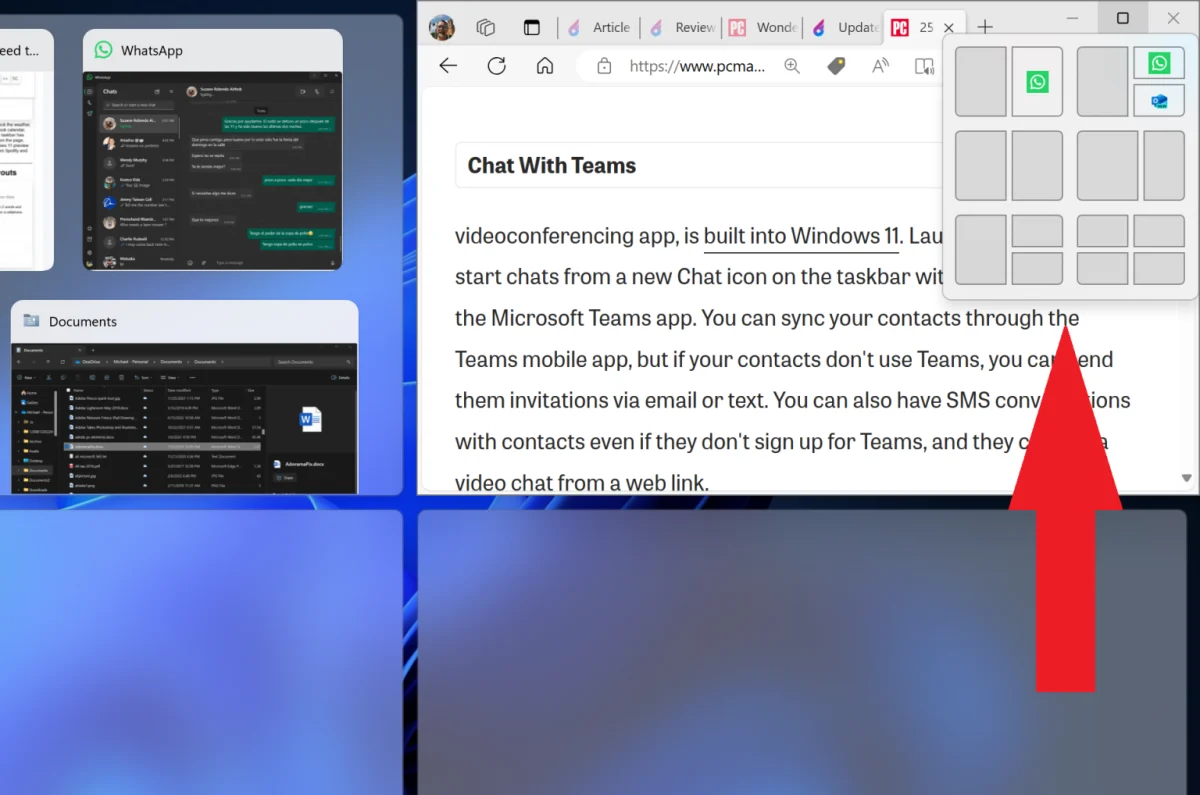
6. Learn new ways to snap up your window layout
hover over a window maximum button to open snap layout And choose a layout. You can also snap with win + left/right And follow the prompts to place other windows.
(Credit: Microsoft/PCMag)
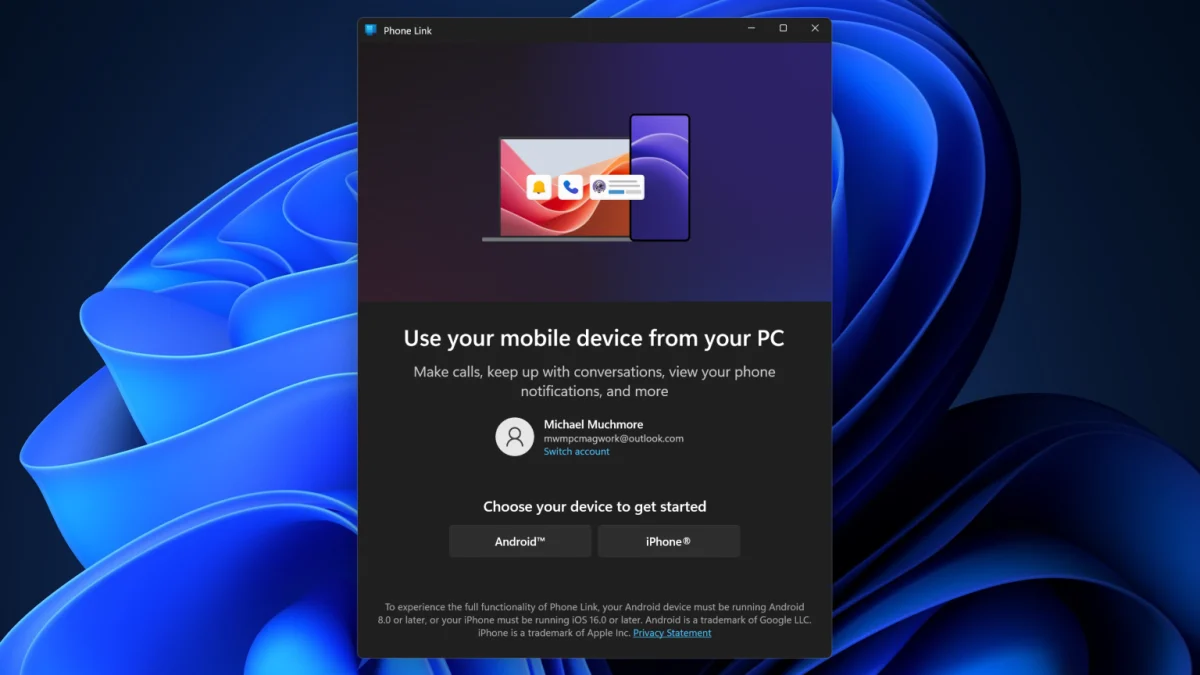
7. Connect your phone to text, call, etc.
open phone link And follow the pairing steps. Once linked, you can usually handle notifications, messages, and (where supported) calls. Some features depend on phone model and permissions.
(Credit: Microsoft/PCMag)
8. Increase security by using a passkey
Use linked passkeys where supported by sites and apps windows hello (PIN, Face, Fingerprint). Manage sign-in methods Settings > Accounts > Sign-in Options.

(Credit: Microsoft/PCMag)
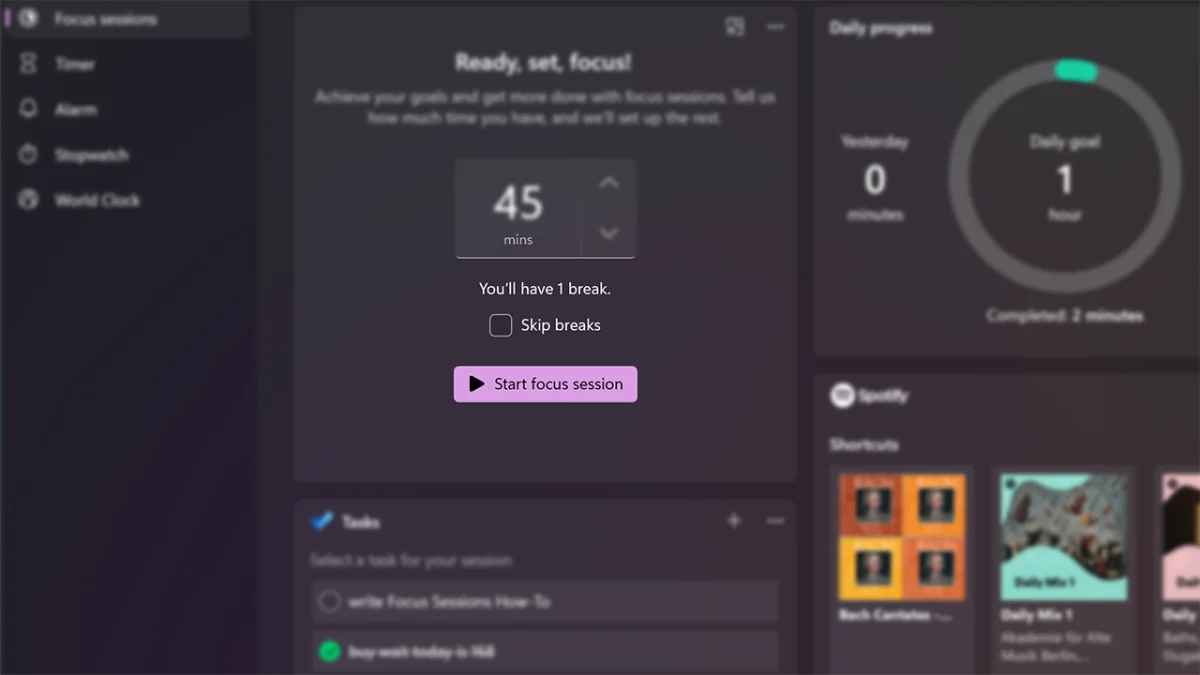
9. Get work done with focus sessions
open Watch App > focus session. Set a period and start a session to minimize distractions and schedule breaks. Notification behavior depends on Focus Assist/Do Not Disturb settings.
(Credit: Microsoft/PCMag)
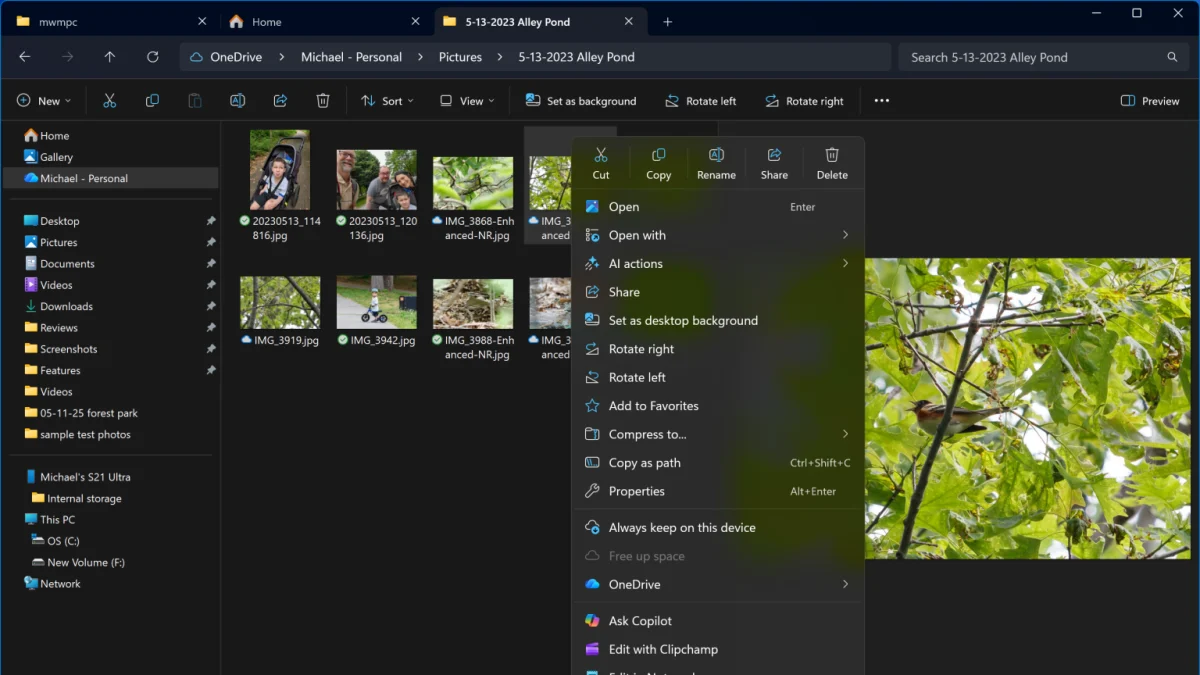
10. Make the most of the updated File Explorer
Use tabs to avoid stretching the window. Right-click a folder > open in new tab. You can drag files between tabs and rearrange tabs by dragging.
(Credit: Microsoft/PCMag)
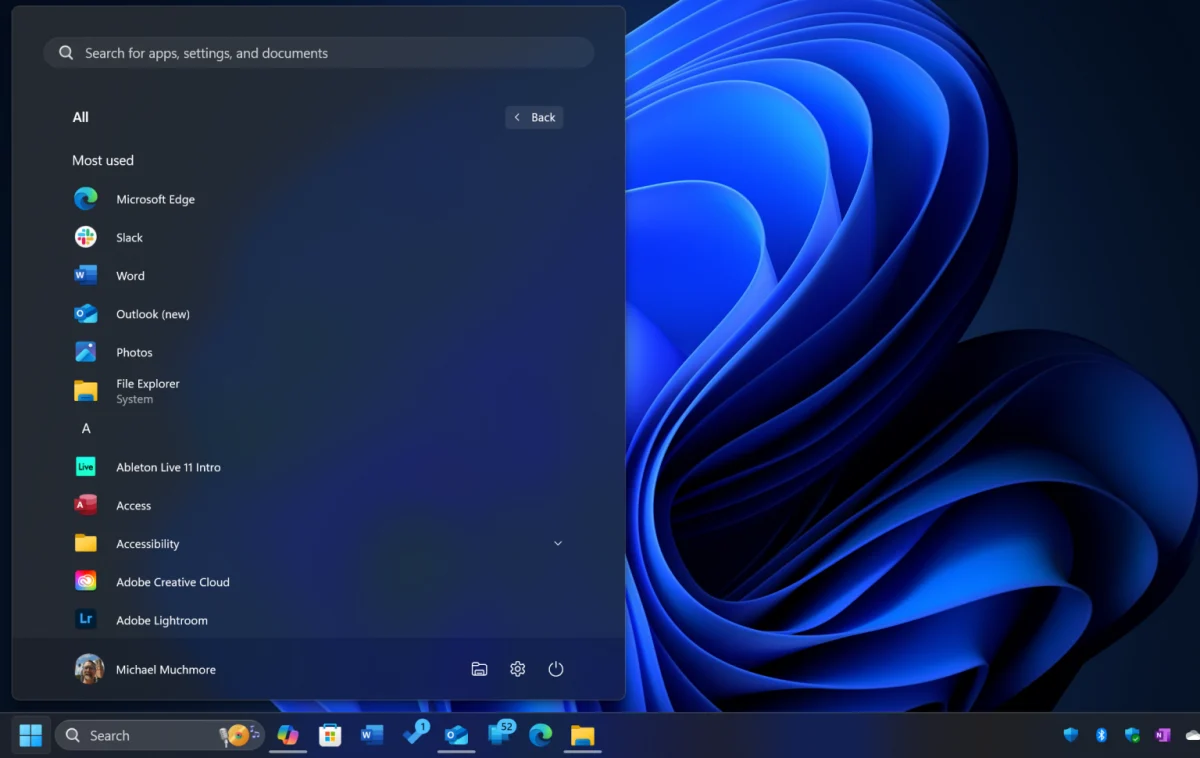
11. View the entire app list
Open Start and click All (Or all appsDepending on the build) to view installed apps. Use search if you already know the app name.
(Credit: Microsoft/PCMag)
12. Pin Apps to the Start Menu
From the entire app list, right-click an app > pin to start. Drag pinned apps to reorder them. You can also drag one app onto another to create a folder.

(Credit: Microsoft/PCMag)
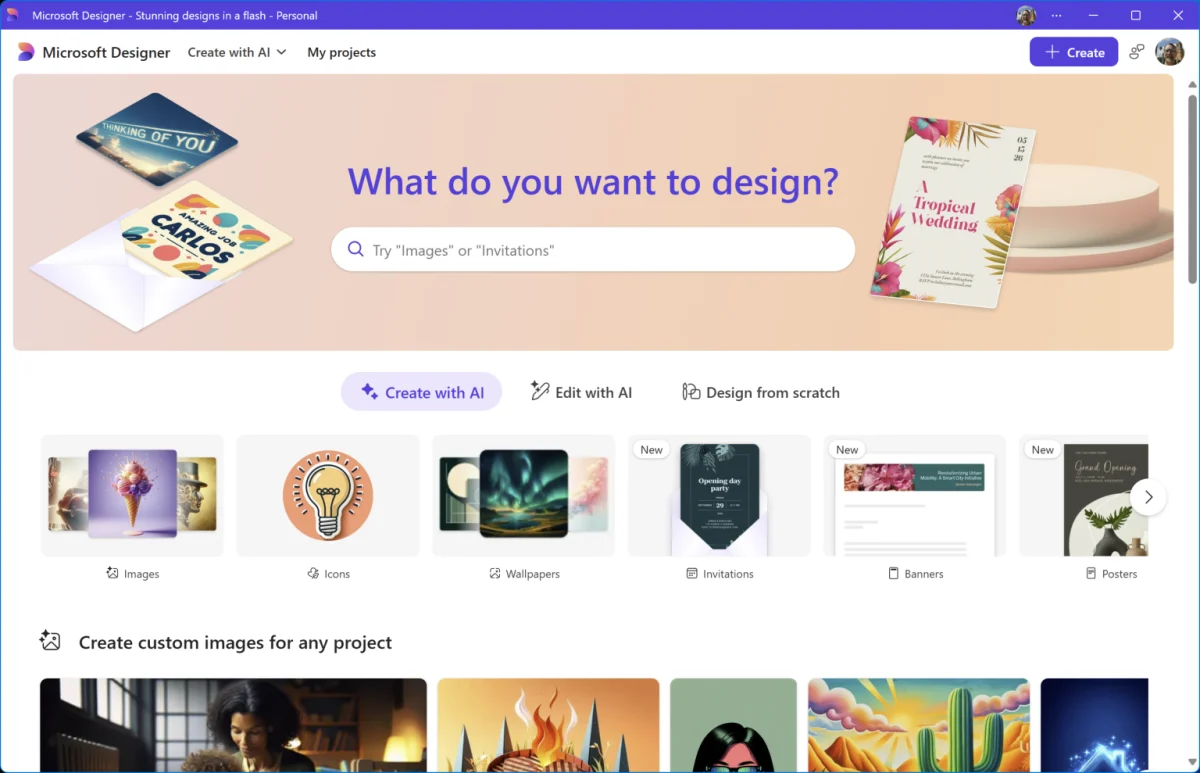
13. Use AI to Edit and Create Images
Windows includes AI-enabled image tools based on what’s installed/updated. Look for features in photos, paintand apps like designer Where available (availability varies by region and account).
(Credit: Microsoft/PCMag)
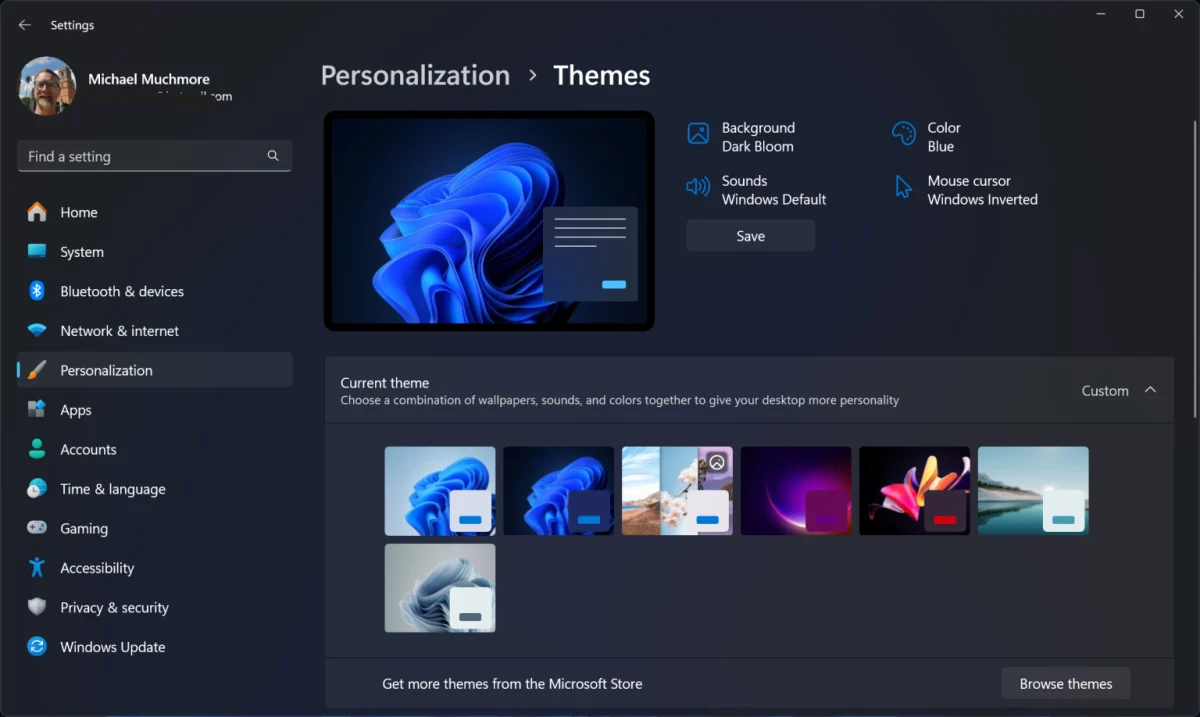
14. Customize your interface with a theme
Go Settings > Personalization > Themes. Choosing a theme changes the background, accent color, and related UI elements. You can edit or create themes from there.
(Credit: Microsoft/PCMag)
15. Customize the Start Menu
Go Settings > Personalization > Start To control what appears on startup and which folders appear next to the power button (Settings, File Explorer, Downloads, etc.).
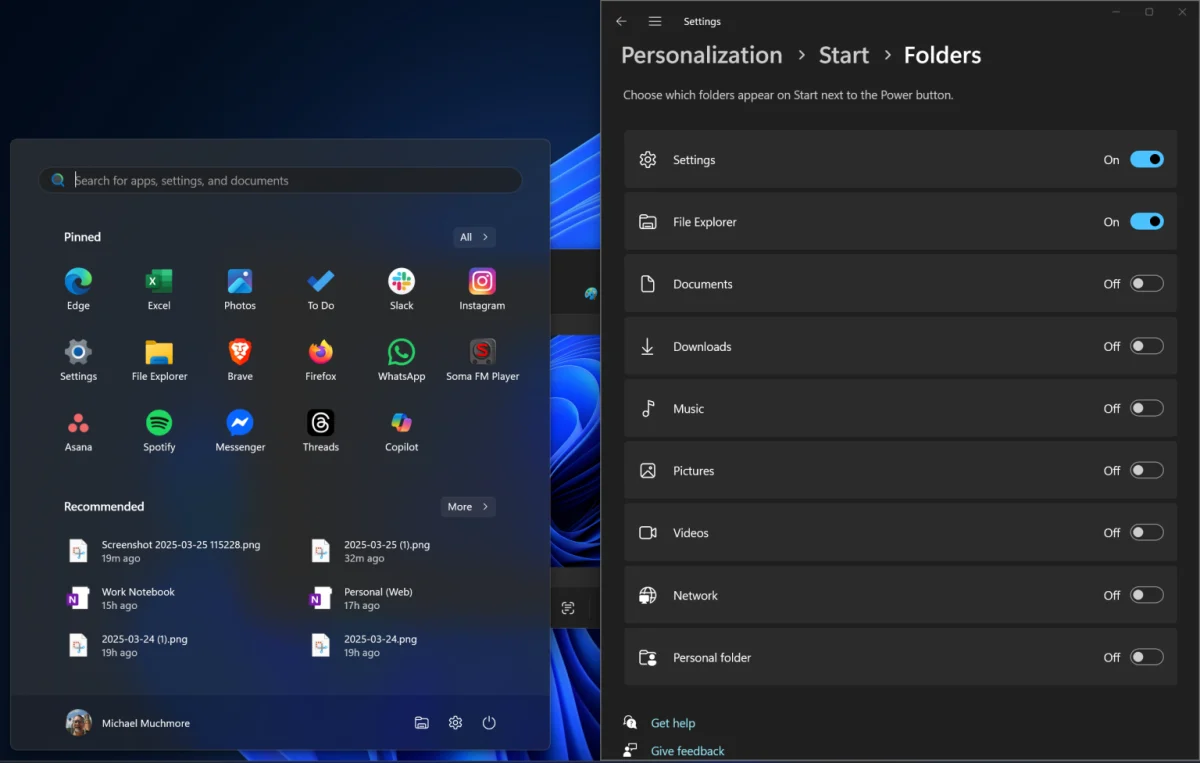
(Credit: Microsoft/PCMag)
16. Get better app and file recommendations
still in Settings > Personalization > Startadjust what is visible recommended. If you don’t want Windows to bring up recent items, turn off those toggles.

(Credit: Microsoft/PCMag)
17. Change default apps
Go Settings > Apps > Default Apps. Choose an app and set defaults according to file type/protocol. It’s still more detailed than many people expect.
(Credit: Microsoft/PCMag)
18. Visualize your battery better
On laptop/tablet: Settings > System > Power & battery > Battery usage. Review usage based on time and per-app consumption.

(Credit: Microsoft/PCMag)
19. Quickly Add Input/Output Devices
Go Settings > System > Sound. Use Add device under Production Or input To connect speakers/headset/mic. check all sound equipment For complete list.
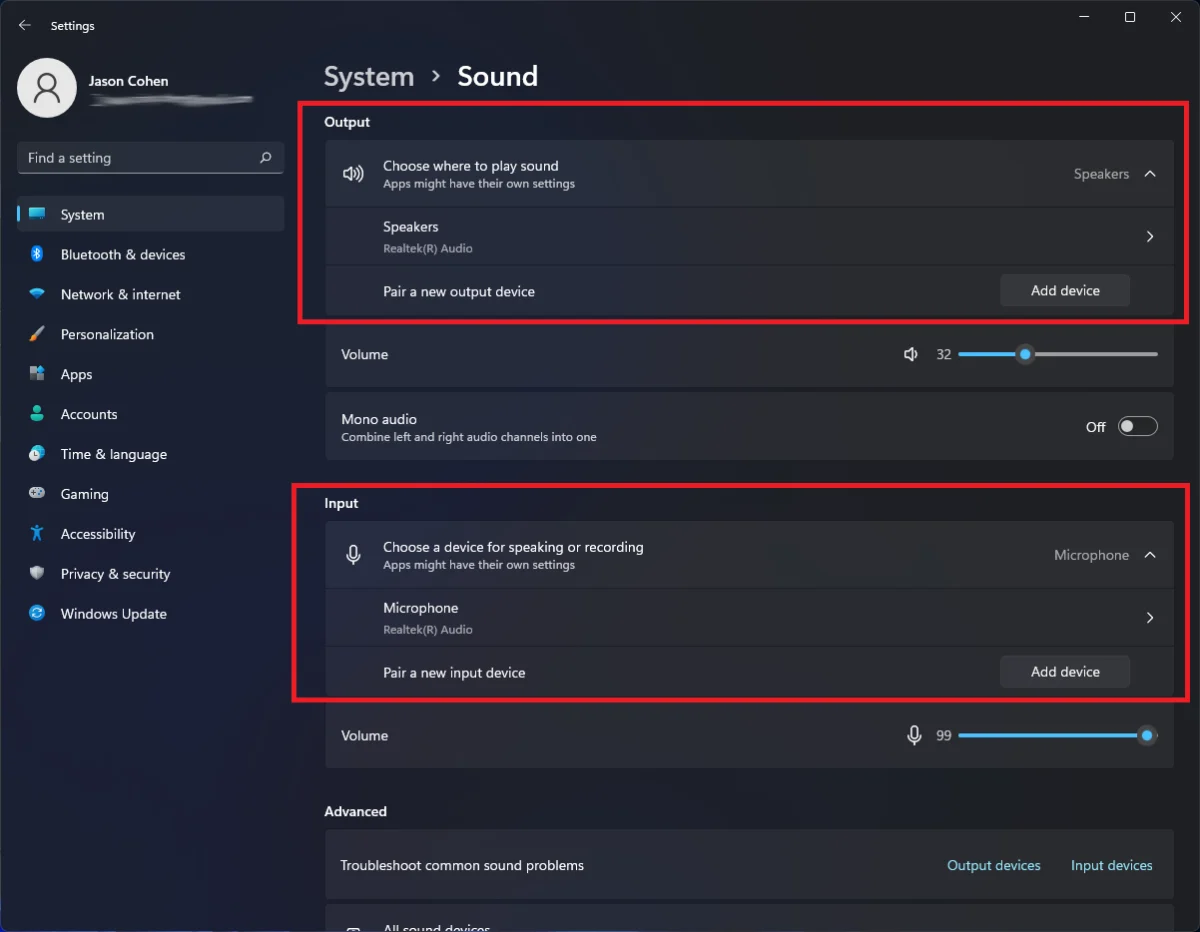
(Credit: Microsoft/PCMag)
20. Chat with Teams
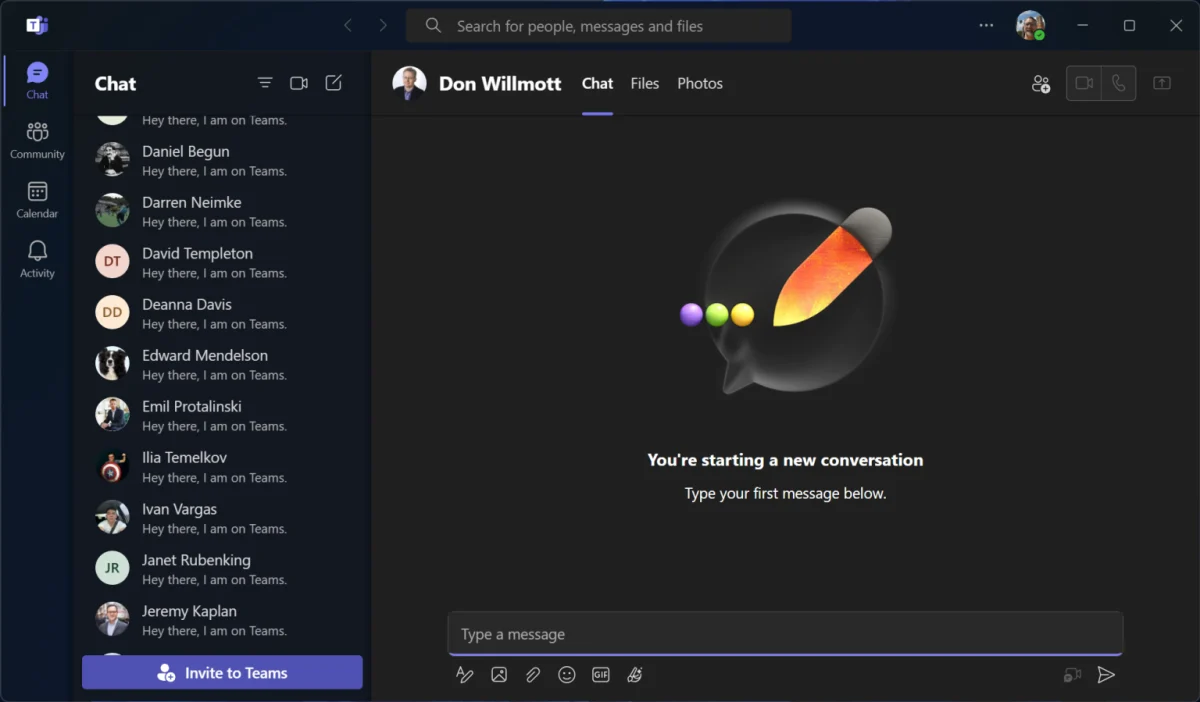
Teams is now an app, not a fixed Windows component. If it’s pinned, you can unpin it; If you use it, sign in and configure notifications so it doesn’t become background noise.
(Credit: Microsoft/PCMag)
21. Listen with the new sound mode
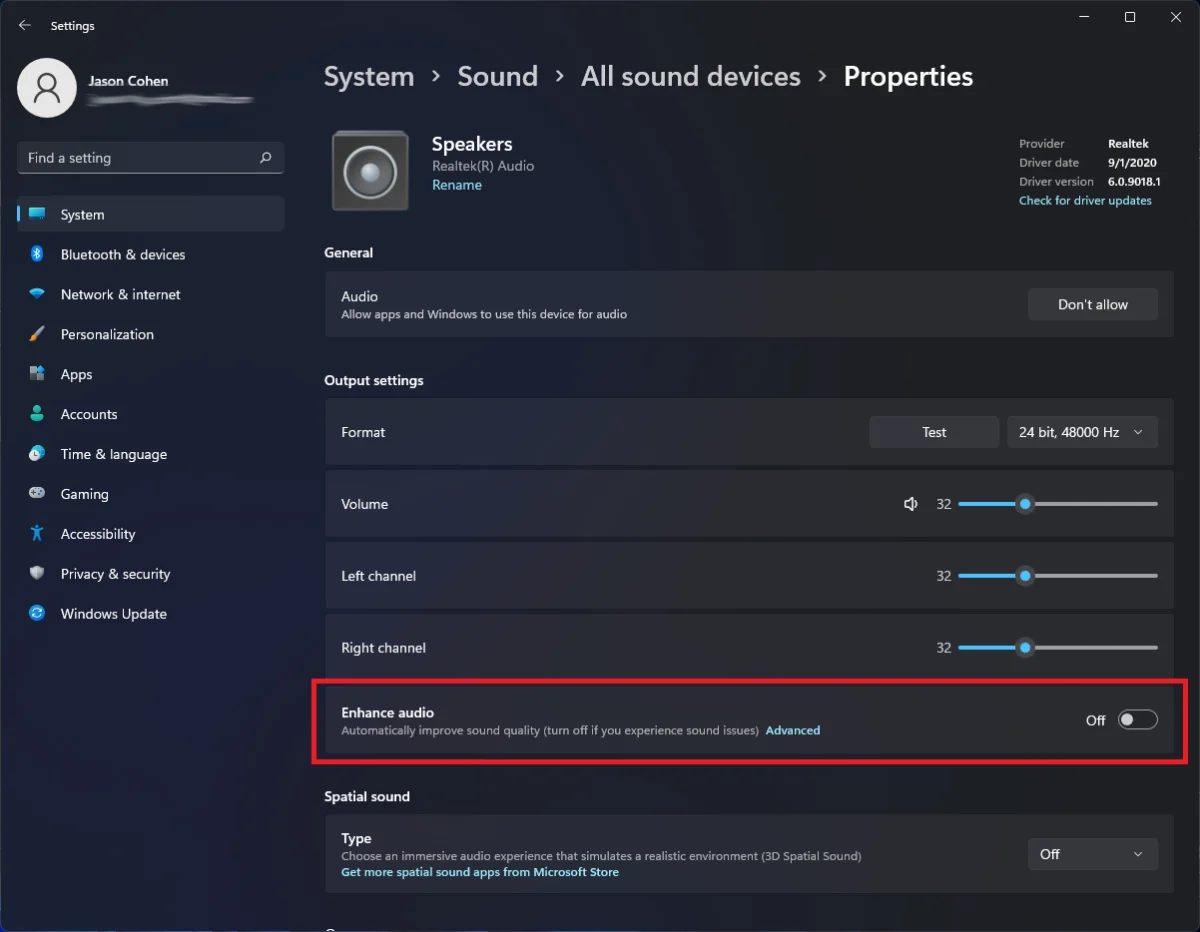
Go Settings > System > Sound. Able mono audio if needed. For enhancements, open all sound equipmentSelect the device, and look for the Enhancements toggle (depends on hardware/drivers).
(Credit: Microsoft/PCMag)
22. Get used to new touch gestures
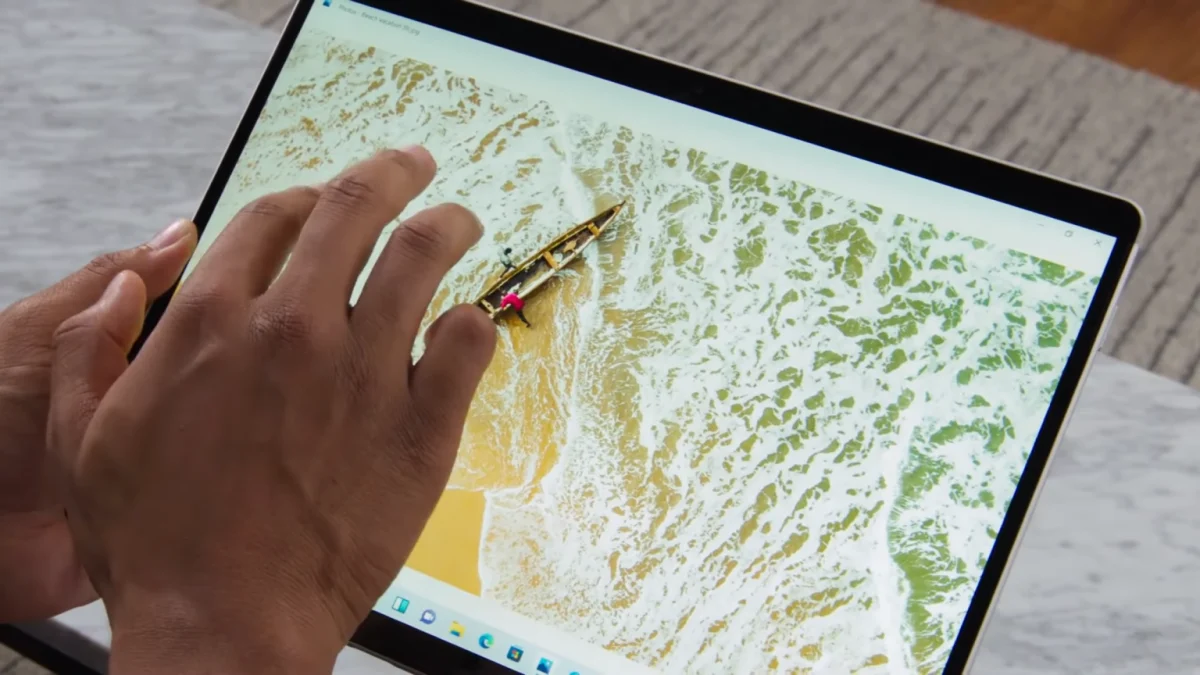
On touch devices, Windows 11 gestures differ from Windows 10. Widgets and task views are mapped differently, and multi-finger swipes handle switching and minimizing.
23. Learn new keyboard shortcuts
Useful ones from the set of articles include:
- win + w (widgets, where enabled)
- win + a (quick settings)
- Win + Z (snap layout)
- win + k (mold)
This is still useful: Win + V (clipboard history) and Win + Shift + S (Sniping).

24. Access gaming features
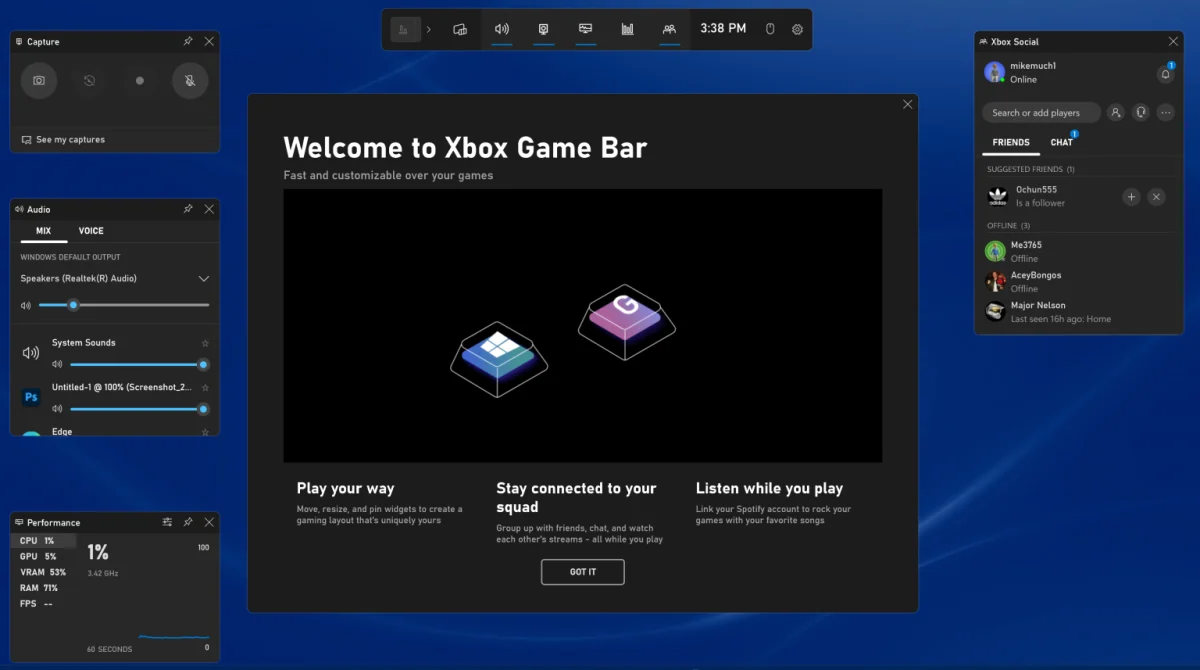
Press Win + G to open game bar. Even non-gamers can use it for screen captures and quick system overlays.
(Credit: Microsoft/PCMag)
25. Record audio with the new sound recorder app
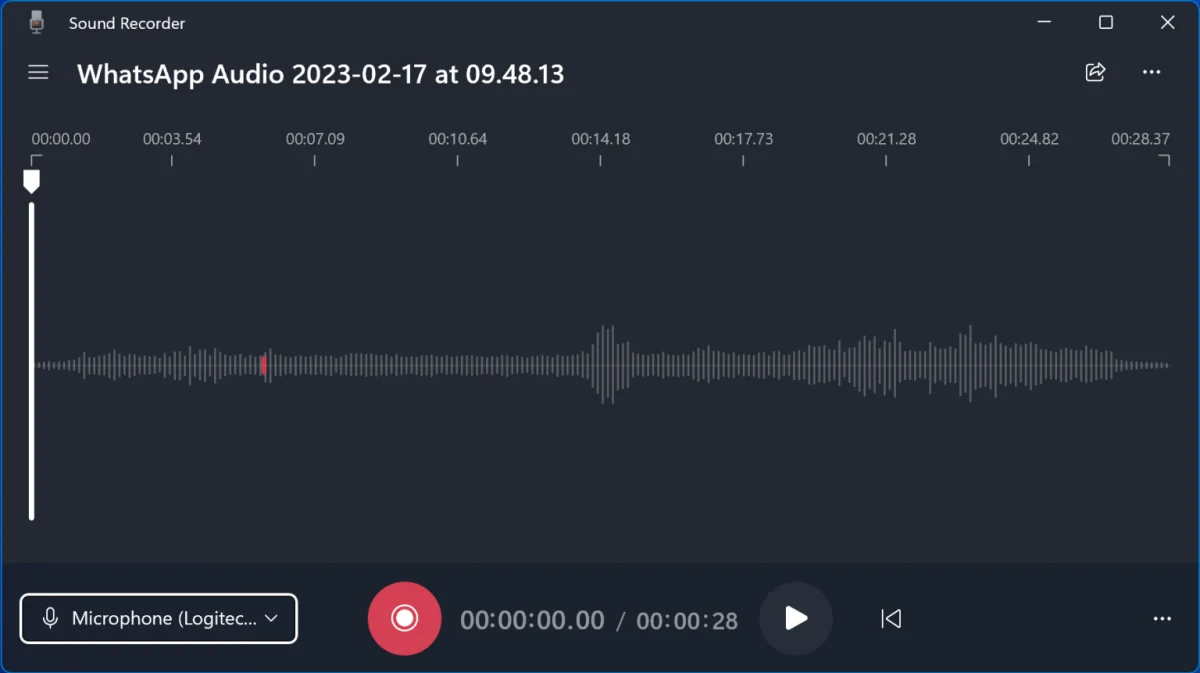
open sound Recorder For basic recording. Export format options depend on the current app version. It’s simple, but it’s implicit.
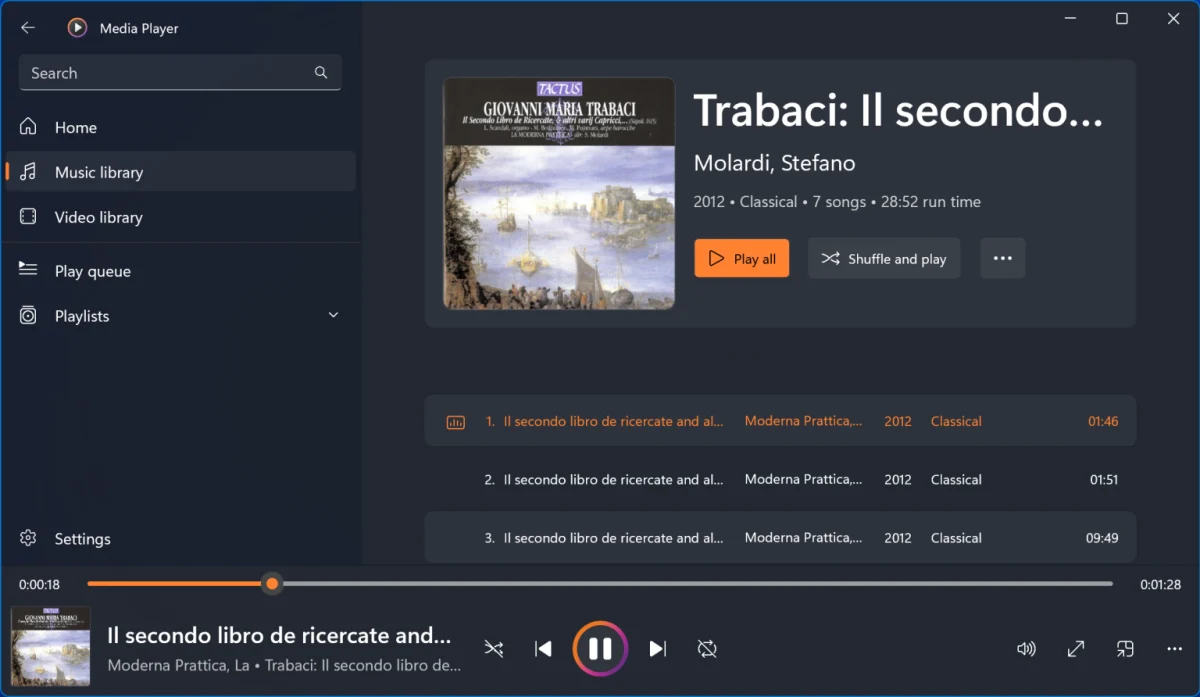
26. Listen and watch with the new media player
Use media Player For local music/video playback. It replaces the old default for a lot of common use, but capabilities depend on installed codecs.
(Credit: Microsoft/PCMag)
27. Back up your PC with Windows Backup
open windows backup Syncing settings and some data to OneDrive for easy restore on a new PC. What will be backed up depends on the account type and configuration.

(Credit: Microsoft/PCMag)
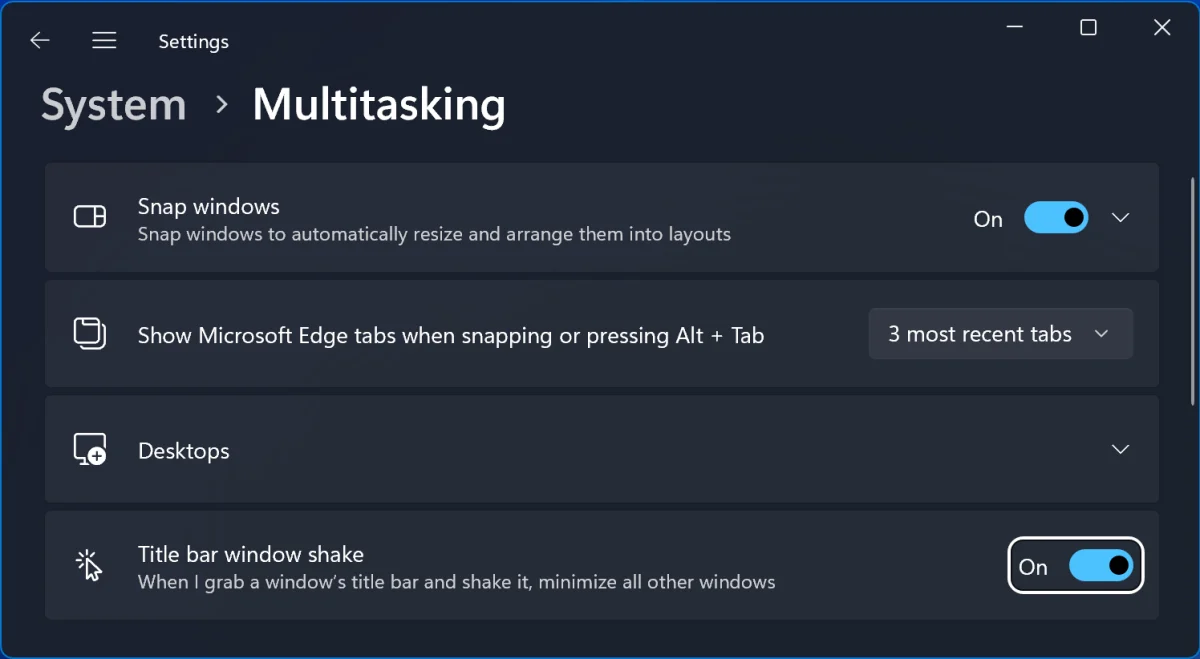
28. Clear your desktop with title bar shake
enable it Settings > System > Multitasking (Or search for “Shake” in Settings). Once enabled, move a window’s title bar to minimize other windows.
(Credit: Microsoft/PCMag)
29. Compress files to 7z, TAR, or Zip formats in File Explorer
In File Explorer, right-click on files/folders and look for compression options. Support and exact menu layout may depend on Windows 11 version/build.

(Credit: Microsoft/PCMag)
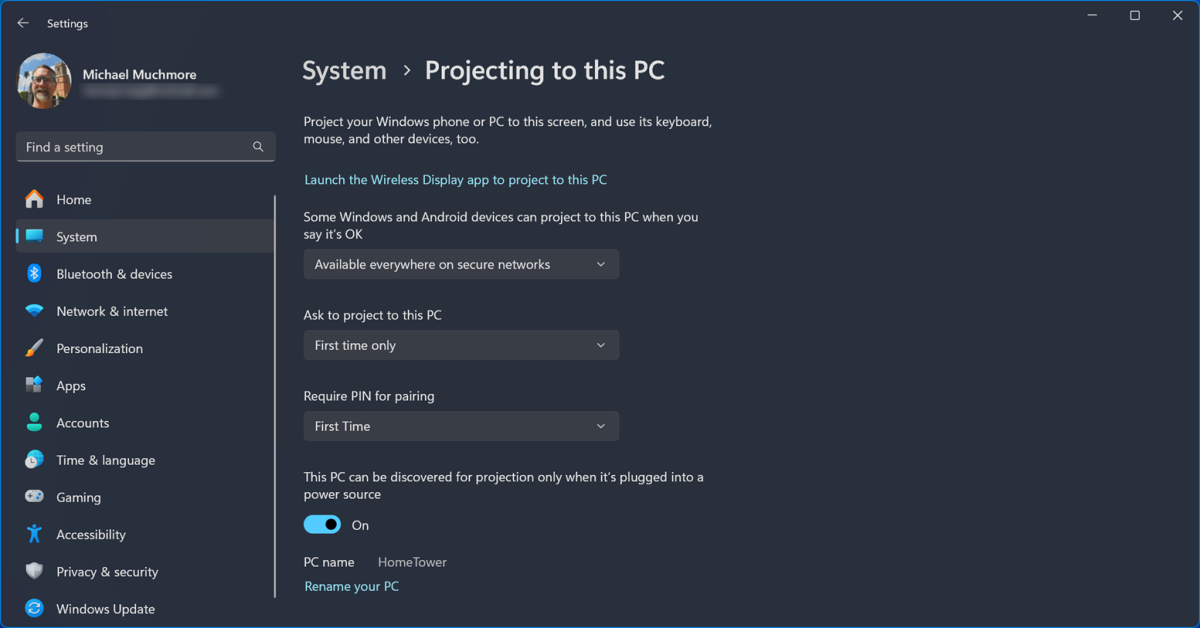
30. Project your PC screen from another device
to install wireless Display: : Settings > System > Optional Features. then go to Settings > System > Projecting to This PC And enable it. You can project from another PC and (in some setups) an Android device.
(Credit: Microsoft/PCMag)
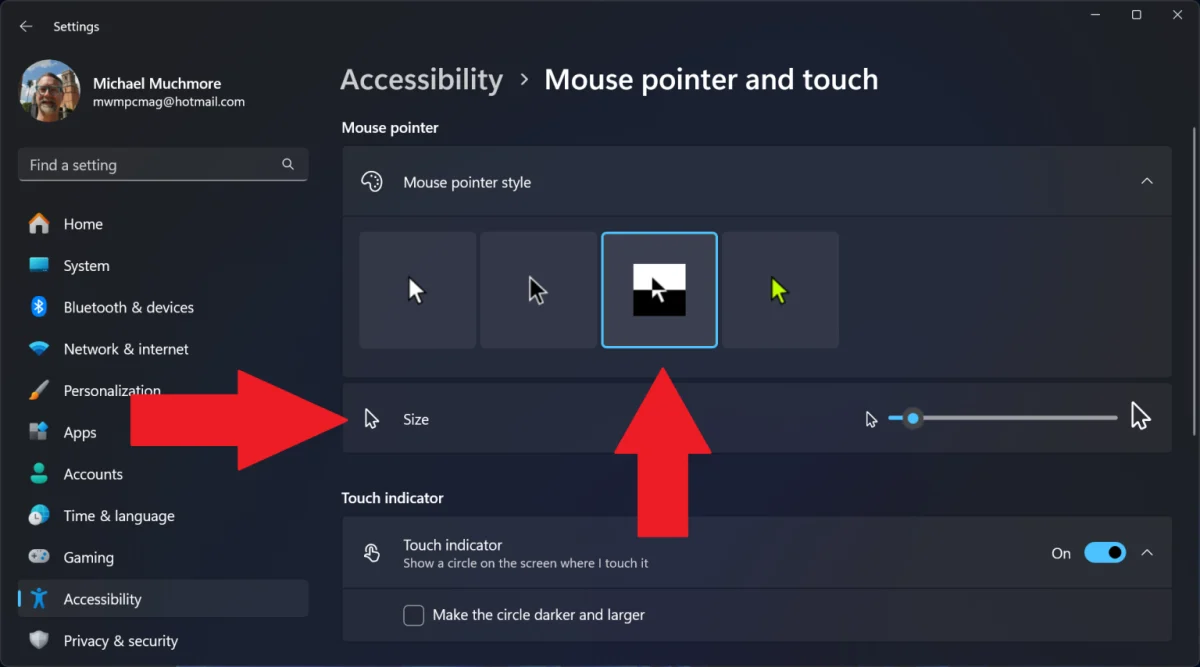
31. Find your mouse cursor more easily
Go Settings > Accessibility > Mouse pointer and touch. Increase the size of the pointer, change the color, or use high-contrast pointer styles to make it easier to track.
(Credit: Microsoft/PCMag)
How many of these 31 features might you not know exist?