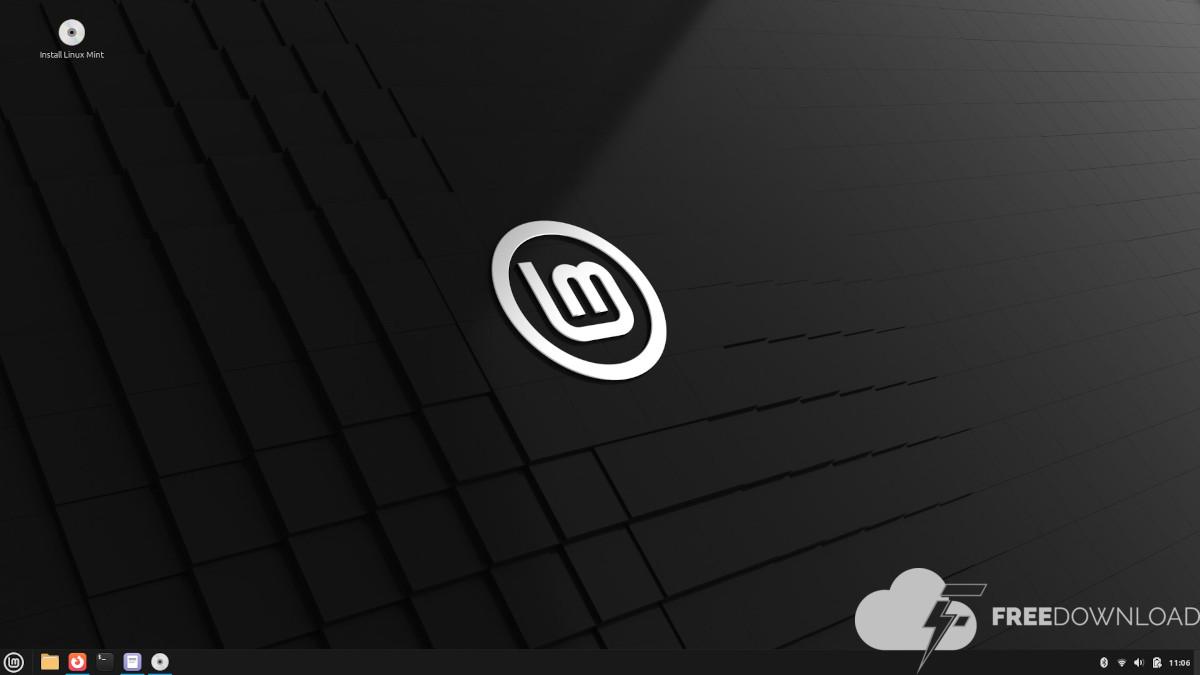
So, do you want to try Linux? Here is a quick guide to help install Linux on an external SSD.
You were expecting a Linux promotion, were you not? Windows 10 is dying, you need …… Naah, it is up to you what you want to use. If you like Windows, use it, nothing is wrong with it. I want to help those who have already decided to try Linux.
First of all, why do this do it? You can always install Linux in a virtual machine like vmware workstation, this is a good way to familiarize yourself with Linux. But this does not give you proper experience with real hardware, you may think that Linux is slow. A live USB would be a better way to check how fast your PC is on Linux, and is also useful to check if all your hardware is compatible with it. But even in terms of performance it is slightly slow, installing Linux on an external SSD, while retaining your windows is a safe way to use Linux.
You will need
1. A Windows PC (no joke).
2. An external SSD is placed in a USB enclosure (or) placed in a secondary SSD (internal). This guide assumes that you are using an external SSD
3. A USB flash drive that we will use as a source.
The BIOS key of my laptop is F2, it is an old Acer machine. If you are not sure what your BIOS key is, then google your laptop or motherboard model to find out.
Setting a bootable USB flash drive
1. Download ISO for your choice’s Linux distribution. I am using Linux mint,
2. Download RoofAnd use it to create a bootable USB flash drive using ISO downloaded by you.
3. Reboot your PC and go to your BIOS. Change the boot order to USB.
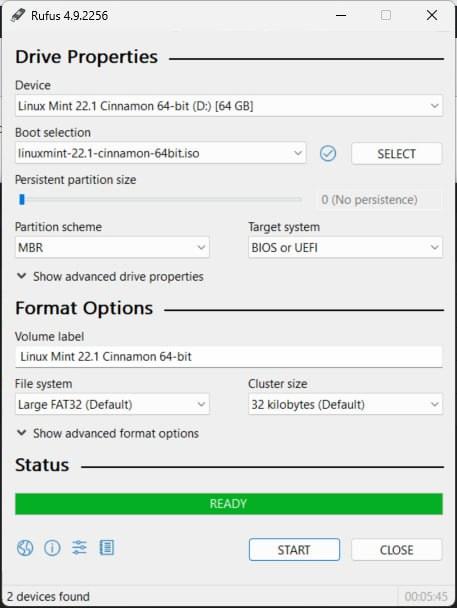
This allows live USB to boot, you can play with Linux mint for some time, and then choose to install it.
Note: You may have to disable the safe boot to install Linux. If you cannot access the settings to tolerate a safe boot, it is likely that you have not set a password for your BIOS. Set something you will miss, and it should allow you to change the settings. Write that password, or save it in your password manager for future reference.
How to fix “Rashst Rash”
There is a possibility that you can participate in an error when trying to install Linux Mint. This can ask you to close RST (Intel Rapid Storage Technology). Long story short, your PC is ready for raids, and we need to convert it to AHCI. The problem is that you can only do this with safe mode, and you will not be able to install Linux Mint until you do this.
Go Ubuntu Read Page aid about RSTDid it scare you? Hey! Here is a simple way I found From a video,
alert: Backup your data before proceeding.
Switch from RST to AhCI
1. Command Prompt as a administrator
2. Type the following command:
Bcdedit /Set safe minimum
3. Reboot your PC and go to your BIOS.
4. Change SATA Mode to AHCI
5. Reboot the computer. It will go into safe mode.
6. Open CMD as administrator and type it
Bcdedit /deletevalue safboot
Allow Windows to boot as normal. works perfectly? Good. Reboot the BIOS, and set the boot priority to the USB.
How to install Linux Mint on External SSD
1. Click on Linux Mint Icon Install on your desktop.
2. Select your language, and click on continuing.
Note: It can ask you to login to your network, you can do that. It is optional, but recommended.
3. Select your keyboard layout, multimedia codec, etc.
The next 2 stages are really important. pay attention
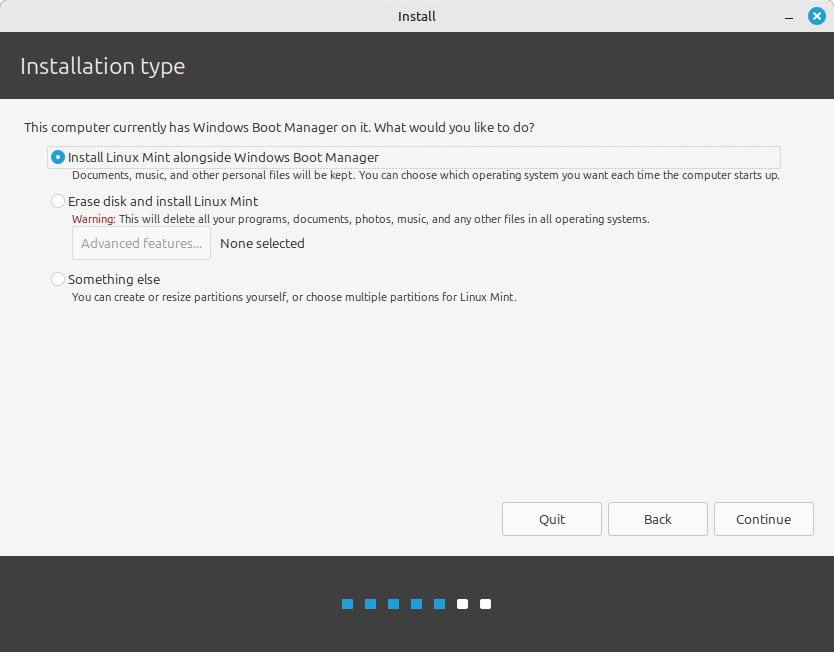
4. Choose “something else”.
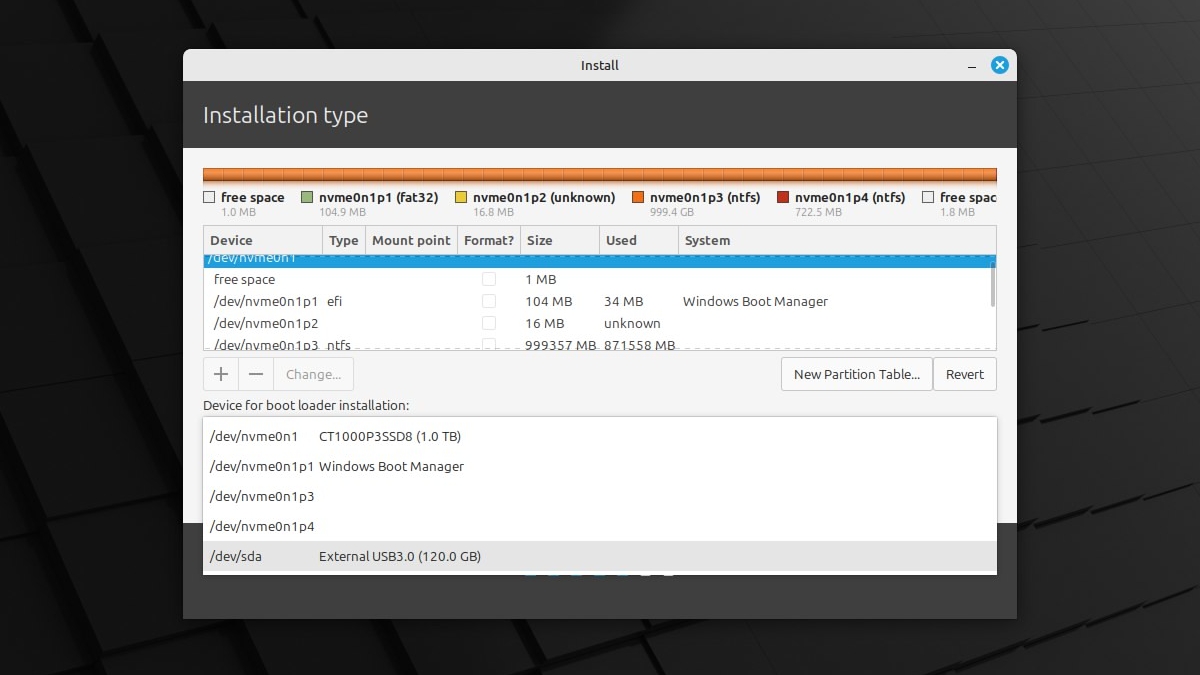
5. Click on the drop-down menu under “Device for Boot Lodar Installation”. Select your outer SSD. In my example, it is /Dev /SDA. Double-click on it.

6. You will be indicated whether you want to create a new partition table on the device. Set on Mount Point /on.
7. Now click on install.
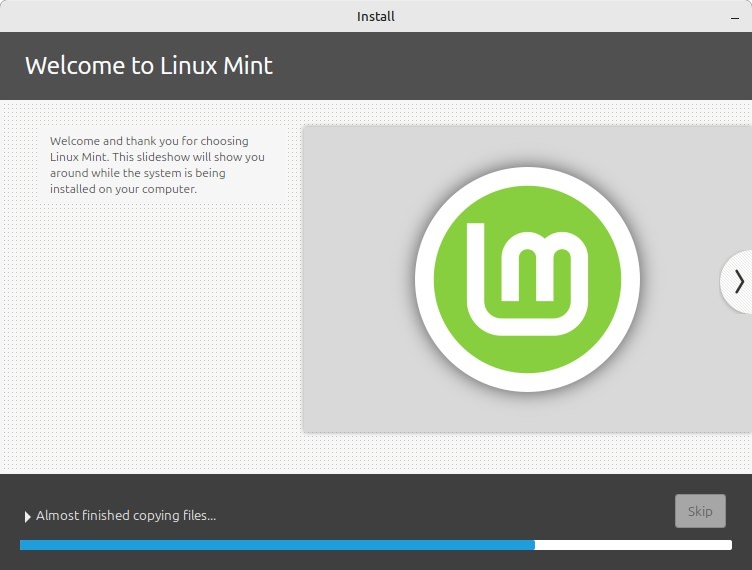
Proceed with installation by following on-screen signals. It may take some time to complete, sit back and relax. Wait until it is installed, and select the reboot.
Welcome to Linux!
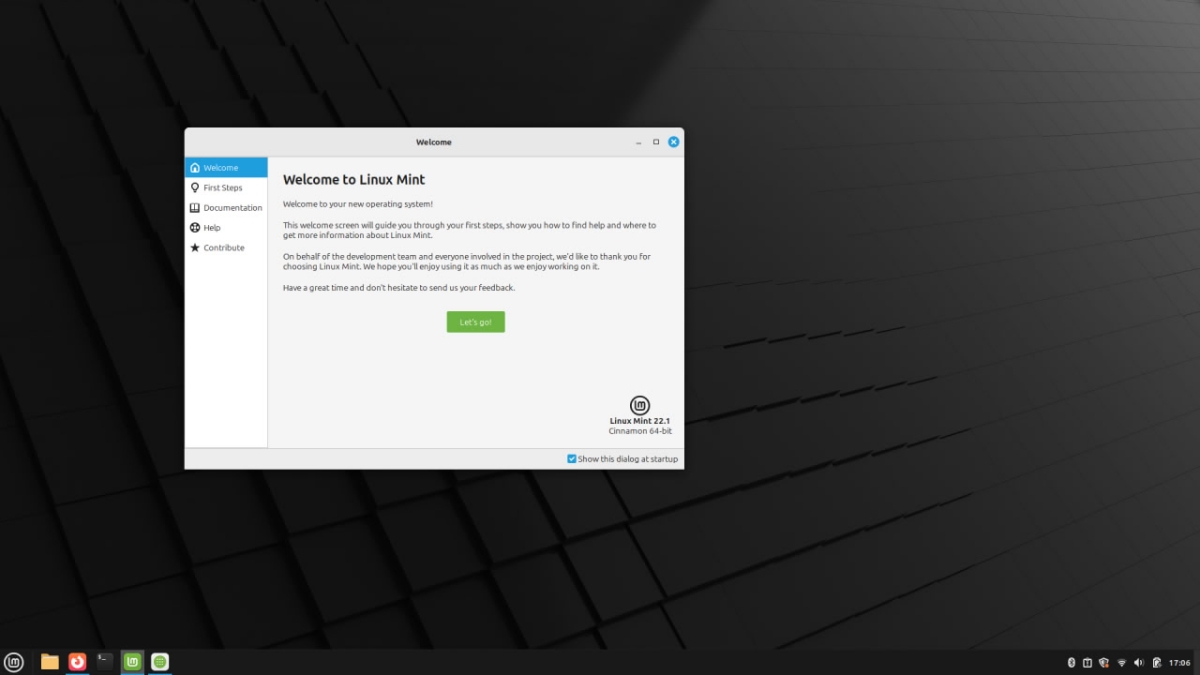
When you turn on your computer, to boot in Windows, keep tapping F12 to reach the boot menu, select Windows boot manager. If you want to boot Mint, repeat the steps and choose Linux. Simple, it’s not? Your favorite browser, and other apps may already be available on Linux. Open the software manager to install the apps, and don’t forget to open the driver manager to get the latest drivers. Update the system software using the update manager. Are interested in searching for new apps, or options for paid options? Let me indicate you Excellent Linux Software List on Github.
Note: Forgiveness for not involving BIOS pictures to guide with safe boots, RST, etc., but my laptop screen is busted (I use it with external monitor), and will not be very beautiful to see photos.
I am using Linux Mint on my external SSD for a week, everything works well, even the game on steam is completely thanks to protons, and for drivers owned by NVidia.
Thanks for reading..