
Windows updates are supposed to improve stability and performance, but in practice they often do the opposite. One update runs fine, the next brings stuttering, latency or sudden slowdown. The problem is not a single bug. This is how often Windows updates change system behavior in ways that are hard to predict and even harder to roll back cleanly.
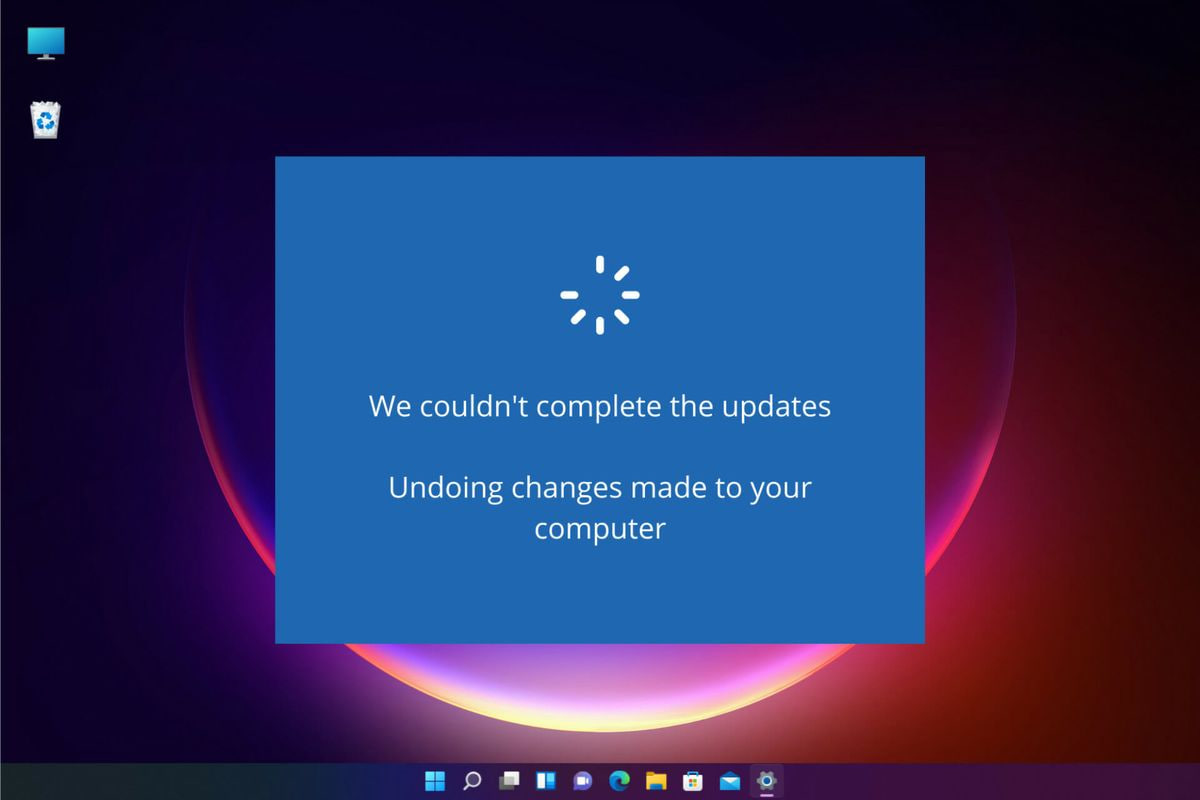
Microsoft's release notes rarely explain the full scope of the changes. Task scheduling, background service behavior, power management, and driver interactions can all be adjusted silently. On a platform that runs on countless hardware combinations, even a minor change can push some systems into significantly worse performance.
Driver updates make the problem worse. GPU and chipset drivers are updated independently of Windows, yet they are tightly coupled with it. A new graphics driver may boost performance in recent games while introducing microstutters or frame pacing issues elsewhere. In some cases, the update caused a double-digit performance drop until a hotfix arrived a few days later.
After dealing with repeated regressions, the solution was not to chase every new update. This was controlling when and how updates were applied.
first change Windows Update was supposed to be optional, not automatic. Stopping updates after a stable build prevents surprise regressions. Once the report confirms that updates are safe on the same hardware, they can still be installed manually.
second change Driver updates were being treated conservatively. If a GPU or chipset driver works well, there is no reason to replace it right away. It's best to install new drivers only if they fix a specific problem or support the software you actually use.
Power management was another source of instability. Switching to a consistent power plan and disabling aggressive power-saving features reduced latency spikes and inconsistent boost behavior, especially on laptops and hybrid CPUs.
At the end, Rollback paths matter. Keeping restore points enabled and knowing how to uninstall recent updates makes recovery faster if something goes wrong. Performance issues are easier to tolerate when undoing is straightforward.
Windows display doesn't need to feel random. Once updates stop being forced and begin to be managed, the system becomes far more predictable. Stability comes less from having the latest version and more from sticking with the version that's already working.